Business Lincolnshire’s Smarter Manufacturing Lincolnshire 2025 Conference, in partnership with Natwest, brought together leaders from across the region who were ready to speak candidly about the realities of running a manufacturing business today. What stood out most was the honesty in the room and the sense that the sector is not simply reacting to change but actively reshaping itself for the years ahead.
Event highlights
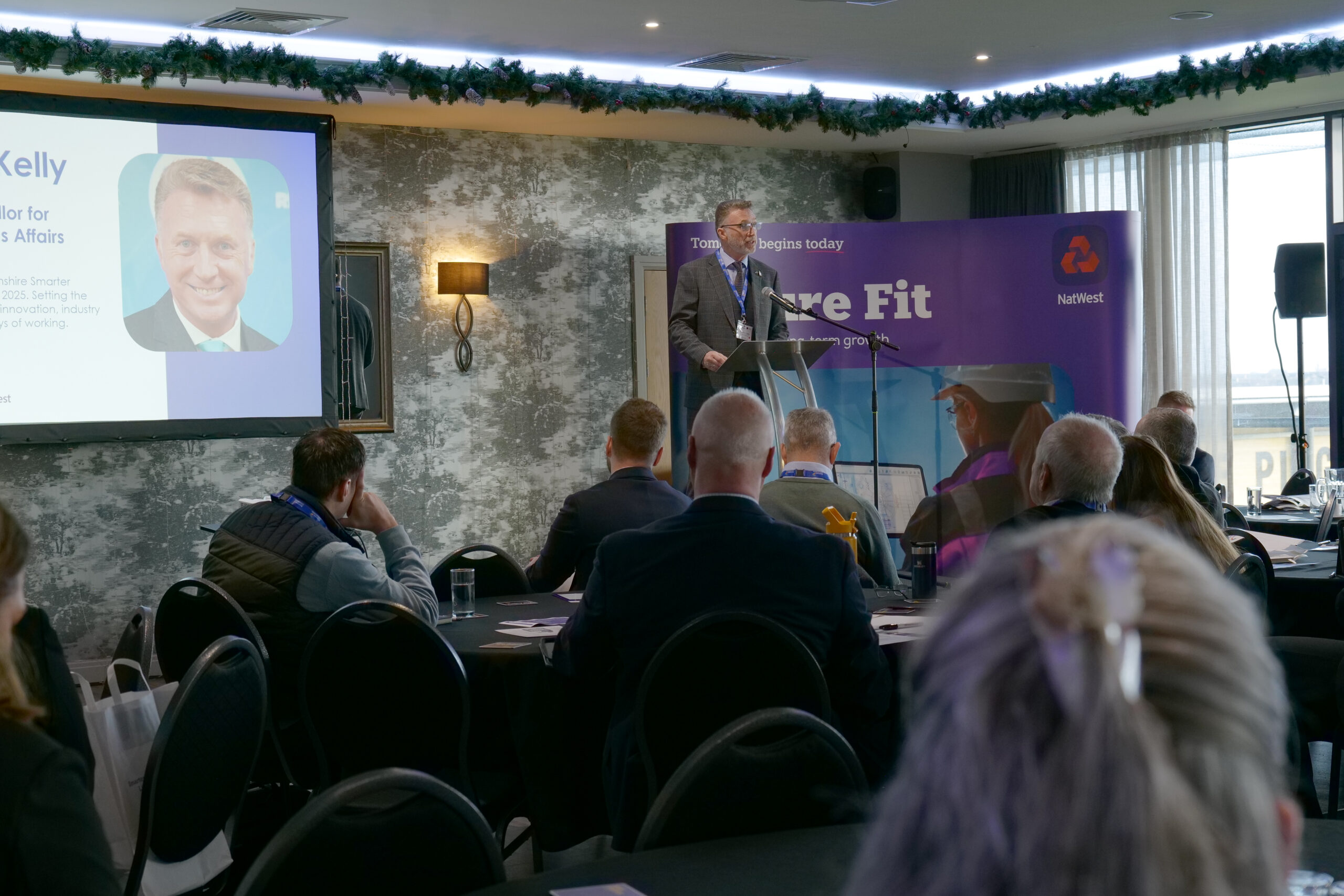
Councillor Liam Kelly opened the conversation by acknowledging the pressures that continue to shape the industry. Rising energy costs, shifting regulations and a widening skills gap were themes that resonated strongly with attendees. Chris Corkan from Make UK deepened this picture with data showing how significantly cost pressures and global uncertainty are affecting investment decisions. His insights highlighted a paradox familiar to many: despite the East Midlands’ strong manufacturing performance, confidence is being tested by factors outside the control of individual firms.
This context made the early roundtable discussions particularly powerful. Manufacturers spoke openly about the struggle to plan when conditions shift so quickly. Some described the challenges of predicting customer demand, while others referenced the difficulty of maintaining continuity when compliance requirements change with little notice. Workforce expectations came up repeatedly. Many businesses shared that younger employees arrive with different expectations of communication, development and flexibility compared with previous generations. Several leaders reflected on how this dynamic is reshaping everything from onboarding to succession planning. These conversations made it clear that resilience is as much about culture, communication and alignment as it is about external market forces.
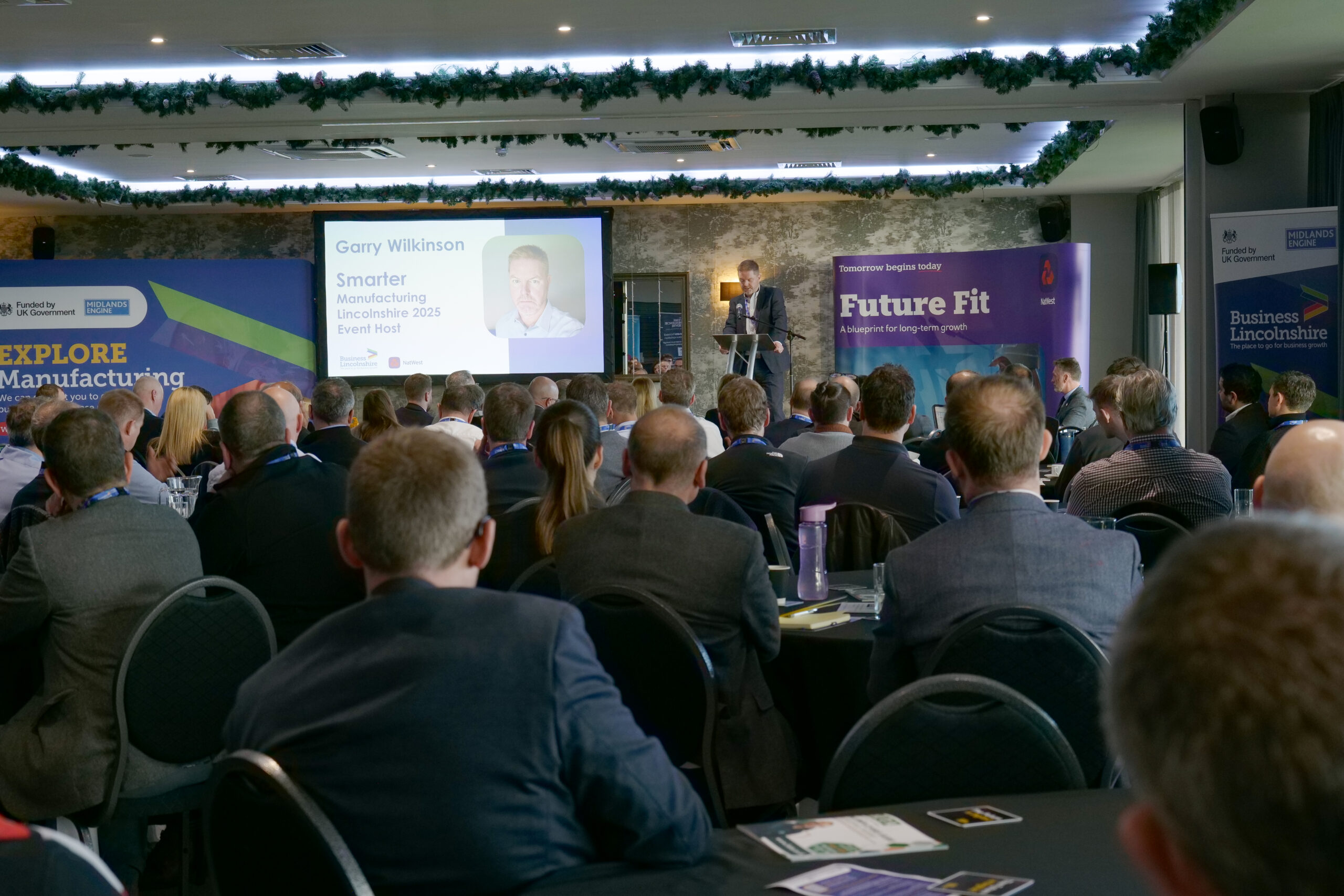


When Laura Capper from NatWest introduced the Future Fit framework, the room immediately connected with its themes of sustainability, transparent supply chains, talent development and purposeful innovation. Her message resonated with a widespread recognition that being equipped for the future requires more than operational efficiency. It requires clarity of purpose, willingness to experiment and the ability to adapt quickly.
This was reinforced during the session with Myenergi’s David Bailey and Emma Brigginshaw. Their reflections brought the concept of innovation down to earth. Rather than presenting innovation as a dramatic leap, they described it as a series of small, iterative steps supported by cross-functional collaboration and open communication. Many attendees recognised their own barriers in the stories shared by the Myenergi team. Cultural hesitations, fear of getting things wrong and the pressure to prioritise output over experimentation were all familiar challenges. What their conversation emphasised was that innovation thrives in an environment where people feel safe to test ideas, fail fast and learn quickly.
The roundtable discussions that followed expanded this theme even further. Participants spoke about the need for stronger feedback loops, clearer communication and leadership behaviours that genuinely invite challenge. It became clear that the biggest obstacle to innovation is often not capability but confidence. Several manufacturers described their desire to embed more inclusive ways of working, where every voice can contribute to improvements and where ideas are acted on or at least acknowledged. These cultural insights were some of the most valuable of the day, highlighting how innovation is ultimately a human process rather than a technical one.
This focus on practical, people-driven innovation carried naturally into the afternoon panel, where Mike Epton and Trevor Durant were joined by five manufacturers who had previously received support from Business Lincolnshire. Their contributions grounded the day’s themes in lived experience. Each business described how targeted guidance, fresh external perspective and structured improvement support had helped them move from intention to implementation. What emerged was a shared understanding that meaningful progress rarely comes from dramatic change. Instead, it grows from steady refinement, stronger internal communication and the confidence to test new approaches with the right support behind them. Their stories offered a clear reminder that when manufacturers collaborate, learn from one another and make full use of the resources available in the region, the impact is both measurable and sustainable.
Key takeaways from the day
Technology adoption brought another layer of insight. While many manufacturers have already begun upgrading systems or exploring automation, the discussions revealed a deep concern about making the right choices. Some attendees explained that the variety of digital tools available makes it difficult to know where to start. Others noted that they already collect significant data but lack the confidence or skills to interpret it. What emerged was a shared desire for clarity: understanding existing processes properly before investing, improving digital literacy across teams and accessing trusted guidance to reduce risk. Despite these challenges, there was a notable sense of optimism. Several businesses shared examples of recent wins, including improved workflow visibility, successful introduction of monitoring systems and incremental automation that had reduced error rates or enhanced throughput.
What united all these conversations was a commitment to doing things better. The event demonstrated that Greater Lincolnshire’s manufacturers are not standing still. They are adapting to uncertainty, rethinking culture, investing in people and exploring new technologies with a sense of purpose and ambition. The willingness to share experiences, barriers and successes so openly reflects a sector that understands the value of collaboration.
Looking ahead
To support this ongoing progress, Business Lincolnshire continues to offer fully funded support through the Manufacturing Support Programme, helping firms translate ideas into practical action. Sustainability-focused businesses can also access the resource efficiency programme, which provides hands-on guidance for reducing energy use and improving environmental performance. In addition, local manufacturers can take advantage of the Manufacturing Growth Sprints, this is a dynamic, workshop-style programme that helps businesses identify core priorities, tackle challenges and develop actionable growth plans through guided sessions and expert-led discussions, offering an opportunity to sharpen strategy and accelerate business performance.

Looking to advance your digital capabilities?
Access fully funded support and grant funding through Made Smarter East Midlands
For organisations looking to advance their digital capabilities, significant fully funded support and grant funding remain available through the Made Smarter East Midlands Adoption Programme, enabling local manufacturers to adopt new technologies with confidence.